
Iceland’s Economy: Small Country, Big Growth Story
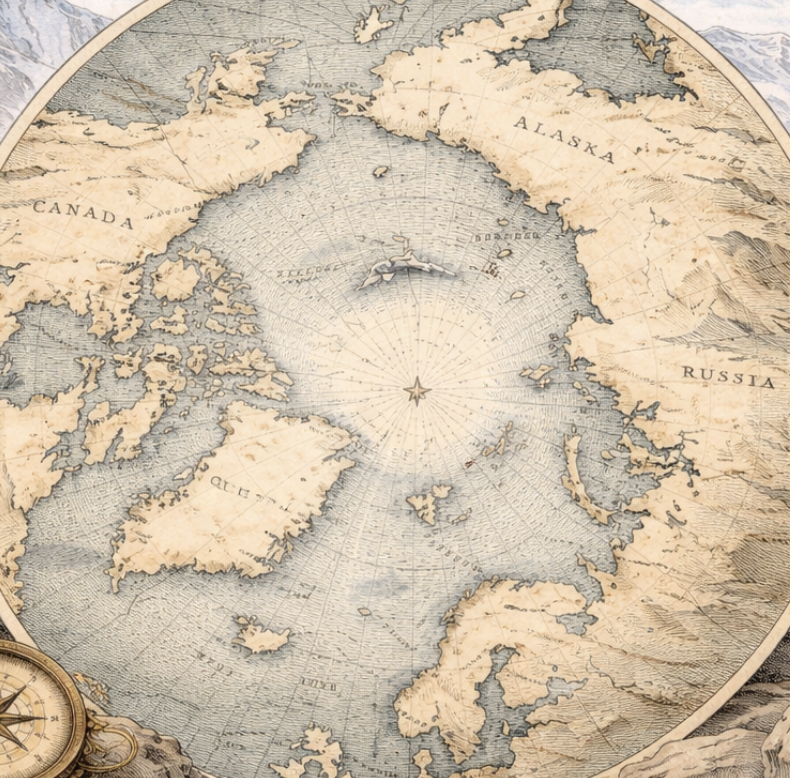

Iceland may be small in population, but its economy tells a story of resilience, innovation, and transformation. From the depths of the 2008 financial crisis to becoming a leader in renewable energy, tourism, and sustainable industrial growth, Iceland offers a new perspective on economic recovery and presents a strong opportunity for global and ESG-focused investors.
Rebuilding After the 2008 Financial Crisis
The collapse of Iceland’s banking system in 2008 was a pivotal moment in Iceland’s history. The country's three major banks (Glitnir, Kaupthing, and Landsbanki) failed virtually overnight, triggering a massive economic contraction. According to a paper from the National Bureau of Economic Research, by 2008, the Icelandic banking system’s assets had grown to nearly nine times the size of the country’s GDP.
To stabilize the economy, Iceland embarked on many bold reforms:
Capital Controls & Currency Stabilization: The government imposed strict capital controls, limiting money from flowing out of the country. These measures helped stabilize the Icelandic króna, protecting domestic deposits and preventing further capital flight.
Bank Restructuring: Instead of bailing out failing banks entirely, Iceland split their operations. The domestic parts were restructured into new, viable institutions and the foreign operations were allowed to fail or be wound down.
Fiscal Policy & Social Support: The Icelandic government used a phased fiscal consolidation strategy, balancing the need to restore public finances with protecting the country’s social welfare system.
IMF Support: An IMF program provided around $2.1 billion in emergency financing, demonstrating international support.
Recovery of Fiscal Health: Over time, Iceland reduced its public debt, rebuilt foreign-exchange reserves, and phased out capital controls (which were fully removed in 2017).
The New Growth: Renewable Energy, Tourism & Innovation
Post-crisis, Iceland redefined its economic identity.
Renewable Energy: Iceland’s dominance in geothermal and hydropower energy represents a huge competitive advantage for the country.
Tourism Boom: Following the crisis , in 2010, after the eruption of Eyjafjallajökull, travel in and out of the country ceased. However, after news of the eruption spread around the world, Iceland attracted millions of visitors and tourism became a central pillar of its economy.
Sustainable Industries: The country is now home to innovative industries, from food-processing technology to medical devices, that leverage Iceland’s clean energy base.
ESG Leadership: Iceland’s energy model, makes it an attractive target for global ESG and green energy focused investors and sustainable investing strategies.
Conclusion
Iceland’s journey from the 2008 banking collapse to becoming a world leader in renewable energy, financial stability, and sustainable growth has transformed it into an attractive investment opportunity for investors looking to invest in Iceland. Its combination of clean-energy infrastructure, disciplined monetary policy, transparent governance, and export-driven innovation positions the country as a standout alternative to traditional Nordic ETFs and Scandinavia ETFs. As demand rises for ESG ETFs, green energy ETFs, sustainability ETFs, and climate-focused strategies, international investors are turning to the Iceland ETF as a gateway to Iceland’s renewables-driven economy. Iceland’s story of resilience through the economic crisis in 2008 demonstrates how Iceland presents a large opportunity for international investors.


keonhacai tối qua mình ngồi lướt lúc nghỉ tay vài phút, vào cái là thấy dễ định hướng liền vì menu đặt ngay chỗ dễ nhìn; chuyển qua lại giữa mấy mục cũng nhanh, không bị phải kéo lên kéo xuống tìm nút như vài trang khác, nên mình chỉ xem qua cách họ sắp xếp chứ không đào sâu nội dung; mình thích kiểu chia thông tin thành các khối rõ ràng, nhìn một cái là biết phần nào đang nói gì, đỡ bị rối mắt; chữ vừa đủ to, màu nền không chói nên đọc lâu cũng không mệt; mấy bảng số liệu trình bày theo cột nên quét mắt là nắm được, nhất là phần tiêu đề…
Bài viết rất dễ đọc, ví dụ thực tế trong đoạn kể chuyện giúp mình hình dung rõ hơn, cảm ơn bạn đã chia sẻ. Mình cũng hay theo dõi chủ đề này và gần đây để ý cách các nền tảng giải trí online sắp xếp giao diện, nhất là bố cục và cách họ chia chuyên mục. Thấy tiện nên mình gom vài ghi chú thành một trang riêng để dễ tra. Ai quan tâm có thể ghé xem https://tabelog.com/rvwr/034924853/prof/